How to Integrate 38 Special Hollow Points Into Your Cowboy Action Training
The sun hangs low over the scrub brush, casting long, jagged shadows across the desert floor. You can almost hear the faint echo of a distant stagecoach and the rhythmic creak of weathered leather. For many of us, Cowboy Action Shooting isn’t just a weekend hobby; it’s a portal back to the rugged days of the American frontier. We don our vests, strap on our holsters, and step into the boots of the lawmen and outlaws who defined the Wild West.
When you’re standing at the line with an 1873 Cattleman in your hand, you’re holding more than just steel and wood, you’re holding history. But as any seasoned shooter knows, the "Old West" wasn't just about show; it was about survival. While traditional Cowboy Action Shooting (CAS) relies heavily on lead flat-point bullets for ringing steel, there is a growing community of enthusiasts looking to bridge the gap between historical reenactment and modern practical application.
The question often arises: Can you, and should you, integrate .38 Special hollow points into your training? The answer is a resounding "yes," provided you know the how, the why, and the "watch out."
The Heart of the Matter: Why Hollow Points in a Vintage World?
If you’ve spent any time at a sanctioned match, you know the drill. We use light-recoil "mouse fart" loads, usually 158-grain lead round-nose flat-point (RNFP) bullets. They are safe for steel, easy on the wrists, and historically evocative. However, many of us also carry a snub-nose revolver or a modern wheel-gun for personal protection.
Training solely with light CAS loads can create a bit of a "recoil shock" when you finally pull the trigger on a defensive round like the federal hydra shok. By integrating hollow points into your practice sessions, you’re accomplishing three major goals:
- Recoil Management: Learning to handle the snappier impulse of a high-performance round.
- Point of Aim/Point of Impact (POI): Understanding how a lighter, faster hollow point moves compared to a heavy, slow lead slug.
- Versatility: Ensuring your muscle memory translates from the competition range to the real world.
The goal? Speed, accuracy, and authenticity. You want to be just as lethal with your defensive iron as you are with your competition revolvers.
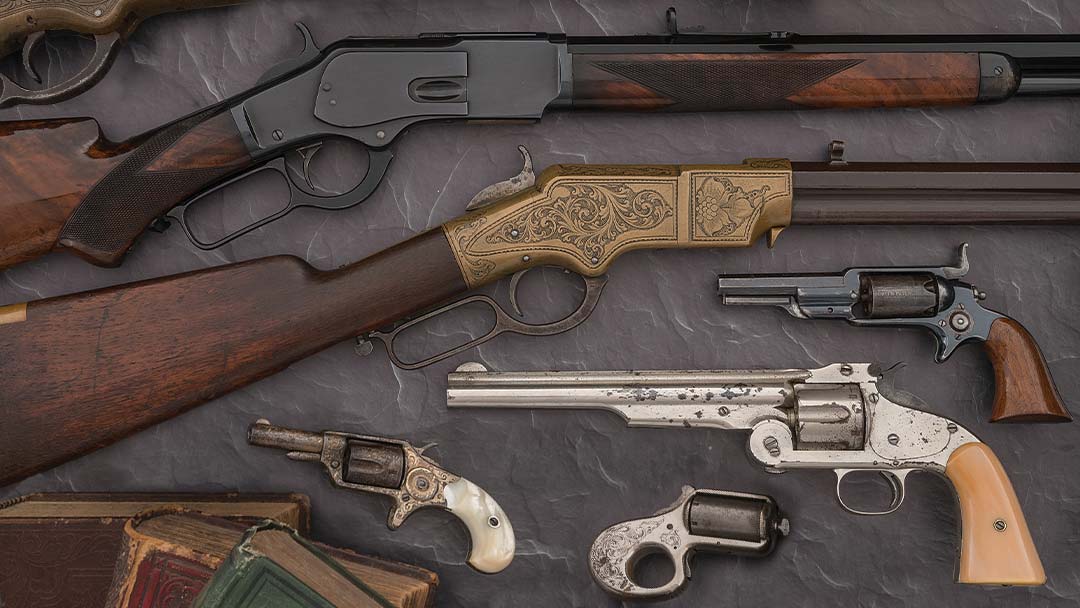
The Gear: From the 1873 Cattleman to the Modern Lever-Gun
Before we dive into the "how-to," let’s talk about the hardware. Most CAS shooters are running .38 Special out of revolvers chambered for .357 Magnum. This gives you a massive advantage. While you might be shooting a classic single-action army clone, the modern metallurgy in these firearms is more than capable of handling high-performance ammunition.
When you start looking at cross-training, you’ll encounter brands that push the limits. If you’re looking for raw power, the buffalo bore 357 is the gold standard for woods carry, but for the .38 Special enthusiast, their heavy .38 Special +P loads offer a punch that would make an old-school lawman blush. Similarly, if you’re a fan of the big-bore thump, buffalo bore 45 provides that same legendary reliability for the .45 Colt shooters among us.
However, for the purpose of integration, we are focusing on the .38 Special. It’s the workhorse of the CAS world. It’s affordable, available, and incredibly versatile.
✔ Pro Tip: Check your firearm’s manual. While most modern clones (Uberti, Pietta, Ruger) handle +P ammunition, some truly antique pieces or very early replicas should stay strictly with low-pressure lead loads.
Step 1: The "Paper-Only" Rule
Here is the most important rule when integrating hollow points into your cowboy training: Stay off the steel.
Most CAS targets are AR500 steel designed for lead bullets. Jacketed hollow points (JHPs), like the federal hydra shok, feature a copper jacket that can cause dangerous backsplash or damage the targets at close range.
When you decide to run your hollow point drills, swap your steel targets for paper. This isn't just about safety; it’s about precision. Paper allows you to see exactly where those faster rounds are landing.
- The Drill: Set up a standard B-27 silhouette at 7 to 10 yards.
- The Goal: Draw from your Western holster and fire two rounds of your standard CAS lead load, followed by two rounds of your chosen hollow point.
- The Observation: Notice the difference in the "snap." A hollow point usually has a faster, sharper recoil compared to the "push" of a lead cowboy load.
Step 2: Understanding Ballistics and the "Deer Season" Connection
It’s easy to get lost in the technical jargon, but think of it like this: your cowboy loads are like a heavy wagon: slow, steady, and hard to stop once they're moving. Your hollow points are like a galloping mustang: fast, agile, and high-energy.
For those who use their lever-action rifles for more than just competition, you might already be familiar with specialized rounds like the Winchester deer season xp. While that specific round is built for larger game, the principle remains the same: you want a bullet that expands and transfers energy efficiently.
When you train with hollow points in your revolvers, you are practicing that energy transfer. You’re moving away from the "clink" of a target and toward the "thud" of a round that means business.

Step 3: Managing the "Grit" and the "Clean"
Cowboy Action Shooting is notorious for being a "dirty" sport. We love our black powder and our lubed lead bullets, but they leave a lot of soot and lead fouling in the barrel.
If you are going to shoot jacketed hollow points, it is vital to clean your firearm thoroughly before switching. Shooting a jacketed round through a heavily leaded barrel can increase pressures and degrade accuracy.
The Workflow:
- Start your session with your standard CAS lead loads.
- Give the bore a quick "field clean" with a BoreSnake or a brush.
- Transition to your hollow point training.
- End with a full teardown and clean back at the ranch.
Integrating the Lever-Gun
Don't let the revolvers have all the fun. Your lever-action rifle (likely an 1866 or 1873 model) is the fastest gun on the range. Integrating .38 Special hollow points into your rifle training is a fantastic way to prepare for a "homestead defense" scenario.
However, be mindful of "cycling." Some lever guns are picky about bullet shape. The hollow cavity of a JHP can sometimes snag on the loading gate or the lifter. Brands like Buffalo Bore are designed with reliable feeding in mind, but always test your specific rifle before relying on a round.
The Nostalgia vs. The Reality
We love the smell of campfire smoke and the clatter of spurs. We love the heritage that Western Gun Store represents: a time when a man’s word was his bond and his rifle was his best friend. But being an authentic "cowboy" in the modern era means being a proficient marksman with every tool in the belt.
Integrating hollow points doesn't ruin the nostalgia; it enhances the skill. It’s an acknowledgment that the spirit of the West was about being prepared for whatever came over the ridge. Whether it’s a rogue coyote or a more modern threat, your ability to transition between "match mode" and "defensive mode" is what sets a true marksman apart.

Where to Find Your Supplies
Ready to saddle up and take your training to the next level? We’ve got the iron and the intel you need right here at Western Gun Store. Whether you’re looking for a new six-shooter or just browsing for the right accessories, we’ve got you covered.
Check out our full range of products and resources here:
- Browse Our Full Inventory
- Find the Perfect Western Firearm
- Explore Our Ammunition Selection
- Return to the Home Trail
Final Thoughts from the Trail
Training with .38 Special hollow points in a Cowboy Action context is about respect: respect for the firearm, respect for the history, and respect for the reality of shooting. It’s about taking that beautiful 1873 Cattleman and remembering that, once upon a time, it wasn't just a sporting tool; it was a lifeline.
By mixing the old ways with modern ballistic technology, you become a more versatile, confident, and capable shooter. So, next time you head to the range, pack a box of those federal hydra shok rounds along with your lead flats. Set up some paper, feel the snap of the trigger, and remember: the West may be won, but the skills remain.
Saddle up, partner. Your next adventure is just one trigger-pull away.