

Outlaw Secrets Revealed: What Experts Don't Want You to Know About Historical Wild West Holster Draws
Close your eyes for a moment. Can you smell the scent of woodsmoke and sagebrush? Can you hear the rhythmic creak of saddle leather and the distant jingle of spurs against a dusty boardwalk? We’ve all seen the movies: the squinting eyes, the sweaty palms, and the lightning-fast draw from a low-slung holster tied tightly to a gunslinger’s thigh. It’s the quintessential image of the American frontier, a moment frozen in time that defines our love for the Wild West.
But what if I told you that almost everything you thought you knew about the "fast draw" was a bit of Hollywood magic?
Here at Western Gun Store, we live and breathe the history of the frontier. Whether you’re a seasoned Cowboy Action Shooting competitor or a collector looking for that perfect revolver to sit on your mantle, understanding the difference between "reel" history and "real" history is where the true adventure begins. Today, we’re pulling back the curtain on the outlaw secrets of the 1800s. Saddle up, partner: it's time to separate the myth from the man.
The Hollywood Lie: The Invention of the Buscadero
If you look at a classic Western film from the 1950s, you’ll see the hero wearing a "Buscadero" rig. This is a belt with a slot cut into it, allowing the holster to hang low on the hip. It looks cool, it’s sleek, and it makes for a great camera shot. But here’s the kicker: this style didn’t even exist until around 1922.
The legendary low-slung, tied-down holster was a creation of early film costume departments. Why? Because traditional frontier holsters sat too high. When an actor went to draw his six-shooter, his arm would often block his face or look awkward on the silver screen. To make the action more visible to the audience, leather workers dropped the holster down.
In the real Wild West, a low-slung holster was a liability. If you were riding a horse all day: which most folks were: a gun dangling by your knee would slap against the horse’s flank, get snagged on brush, or simply fall out during a gallop. Real outlaws and lawmen alike needed their iron high, tight, and secure.

The Real Outlaw Rig: Survival Over Showmanship
Authentic Wild West holsters were built for practicality and survival. When you were miles from the nearest town, your firearm wasn't just a weapon; it was a tool for hunting and protection against the elements. Experts and historians have noted several key features that separated a real frontier rig from the showmanship hokum:
- High-Ride Construction: Most holsters sat at or above the waistline. This kept the weight of the revolver centered on the hip, making it easier to carry for twelve hours a day.
- The "Slim Jim" Style: Also known as the California pattern, these holsters were form-fitted to the gun. They often featured a deep profile that covered almost the entire revolver, including the trigger guard, to keep it from snagging.
- Weather Protection: Many early holsters featured a leather flap that buckled over the hammer. This wasn't for safety in the modern sense; it was to protect the percussion caps and black powder from moisture and dust. A damp gun was a dead man’s gun.
- Wool and Felt Linings: To prevent the blueing of the gun from wearing off and to wick away moisture, high-quality holsters were often lined with soft materials.
The Jesse James Secret: Artistry in the Shadows
Even the most notorious outlaws had a sense of style. Jesse James, perhaps the most famous name in Western lore, didn't just carry any old piece of leather. His holsters were often "California-style" with intricate, hand-carved floral designs.
Jesse James Jr. later maintained a display of his father’s gear, known as the Crittenden Board. This collection revealed that the James gang preferred high-quality, heavy leather that could withstand the rigors of life on the run. They weren't looking for a "fast draw" in a street duel; they were looking for a reliable draw from a horse or a hidden position.
When you’re looking to replicate that authentic feel, brands like Uberti and Taylor's & Co offer modern replicas that capture this historical soul perfectly. They understand that the weight of the steel and the curve of the grip need to feel just like they did in 1882.
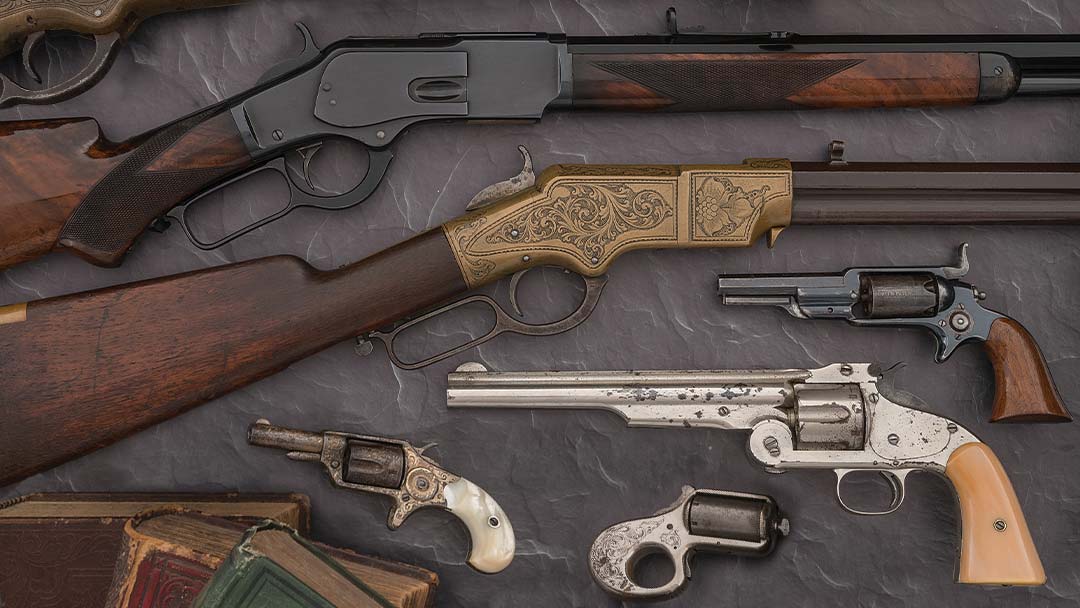
The Mechanics of the Draw: Speed vs. Reality
So, how did they actually draw? If they weren't doing the Hollywood "thumb-cock and fire" move in a split second, what was the technique?
The goal? Speed, accuracy, and authenticity.
In a real confrontation, most men didn't stand 50 paces apart in the middle of the street. It was messy, fast, and often happened at point-blank range. The "outlaw secret" to a fast draw was actually a "cross-draw" or a "twist-draw." By wearing the holster on the opposite hip with the butt facing forward, a rider could draw his weapon more easily while seated on a horse.
✔ The Cross-Draw: Preferred by many scouts and lawmen for comfort while sitting.
✔ The Strong-Side High-Ride: The standard for most cowboys, requiring a clean upward pull before leveling the barrel.
✔ The Pocket Carry: Smaller revolvers were often tucked directly into a coat pocket or waistband: no holster required.
Cowboy Action Shooting: Bringing History to the Range
Today, the spirit of the Old West lives on through Cowboy Action Shooting (CAS). It’s more than just a sport; it’s a way to honor the legends of the past while testing your skills with period-correct gear. Whether you're running a lever-action rifle or a pair of single-action revolvers, the gear you choose matters.
For the modern enthusiast, finding the right performance ammunition is key. You want something that cycles reliably and mimics the feel of vintage loads without the corrosive headache of old-school black powder. Brands like Buffalo Bore, Federal Syntech, and Winchester have perfected the art of "cowboy loads": ammunition specifically designed for the lower velocities and high reliability required in competition.

Why Authenticity Matters to You
You might be wondering, "Why does it matter if my holster is a few inches lower than it would have been in 1875?"
It matters because history is a story we tell with our hands. When you pick up a Single Action Army replica and slide it into a period-correct, high-ride leather holster, you aren't just holding a gun. You’re holding a piece of the American spirit. You’re connecting with the scouts, the settlers, and the outlaws who carved a nation out of the wilderness.
At Western Gun Store, we don't just sell firearms; we curate experiences. We want you to feel the weight of history every time you head to the range or clean your collection.
- Looking for the perfect revolver? Check out our top 10 revolvers for Cowboy Action Shooting.
- Need to feed your iron? Dive into our ultimate guide to cowboy ammo.
Final Thoughts: Your Legacy Awaits
The Wild West may be long gone, but its echoes are still heard in every "bang" of a lever gun and every click of a hammer. The "secrets" of the outlaws weren't about magic tricks or Hollywood flair: they were about grit, preparation, and knowing your equipment inside and out.
Are you ready to write your own chapter in the history of the frontier? Whether you’re looking for a new scattergun for the next match or just want to chat about the legendary rigs of the James-Younger gang, we’re here for you.
Saddle up, partner. Your next adventure starts right here at Western Gun Store.

Want to learn more?
Explore our full range of Western-style firearms or contact us to find the perfect gear for your journey into the past. Don't forget to check out our blog for more daily insights into the world of Cowboy Action Shooting!